Children can feel anxious about school for many reasons – being separated from parents, adjusting to new teachers and classes, difficulty with schoolwork, worries about making friends, being bullied, and getting evaluated on academic performance. School anxiety is very common in children, especially around back-to-school time when everything is new.
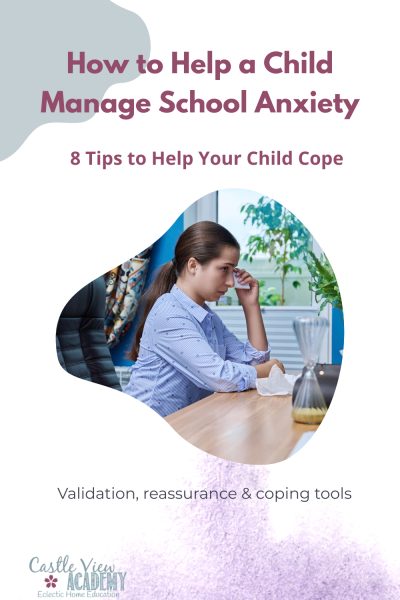
My children have always been home educated, but this fall, our son will be starting his first course in our regional college, and as parents, we want this experience to be a positive one for him.
As a parent or foster carer, you play a key role in helping your child navigate these challenges in a healthy way. Here are some tips on managing school anxiety:
Talk Openly About Worries
Have regular chats with your child about any worries or fears they have about school. Don’t dismiss their concerns as silly or trivial. Listen carefully and let them know it’s normal to feel nervous about new situations. Reassure them that the anxiety will pass. Help put their concerns in perspective by asking questions like “What’s the worst thing that could happen?”
Encourage Positive Self-Talk
Work with your child on using positive self-talk instead of negative statements like “I can’t do this”. Suggest they silently repeat encouraging phrases like “I can handle this”. Have them visualise managing situations that provoke anxiety. Build their confidence by highlighting skills, talents and previous successes. This is especially useful if you are fostering a school-age child with Fostering People – anything you can do to build their self-confidence in all areas, not just school, will help them move forward with their lives.
Help Them Build Friendships
Strong social connections help kids feel secure. Before school starts, arrange get-togethers with new classmates. Engage shy children in small play groups or clubs to boost their social confidence. Encourage older kids to avoid cliques and make friends outside their normal social circles.
Establish Comforting Rituals

Rituals create a sense of safety and familiarity. Develop back-to-school rituals like shopping for new supplies or decorating a planner. Maintain relaxing bedtime and morning routines throughout the school year. If your child is anxious about separating, establish a special goodbye ritual like a high five.
Avoid Absences
While it may seem sensible to keep an anxious child home occasionally, this can reinforce the anxiety. Unless they are genuinely ill, gently but firmly insist your child attends school every day. Consult with teachers for any accommodations needed to help your child cope when present.
Teach Calming Techniques

Show anxious kids how to use simple strategies to manage worry. Have them take deep breaths, visualise a peaceful scene or squeeze a stress ball. Build in sensory breaks between tasks. A quick movement break can also diffuse anxiety. Provide regular reminders to use their calming tools.
Reinforce Coping Success
Notice small victories and let your child know you’re proud of their progress. “You stayed calm when you got confused in class today and asked the teacher a question. Well done!” Avoid criticism if they struggle and be patient. Changing habits takes time.

With validation, reassurance and coping tools, your child can overcome anxious feelings. Stay positive but persistent and collaborate with school staff. If anxiety severely disrupts their daily functioning, do consider counselling support.
Books for Children’s Anxiety