In an age where interior design is often driven by trends, it’s easy to overlook the timeless beauty and versatility of classic layouts. Yet, these foundational design patterns are far from dull.
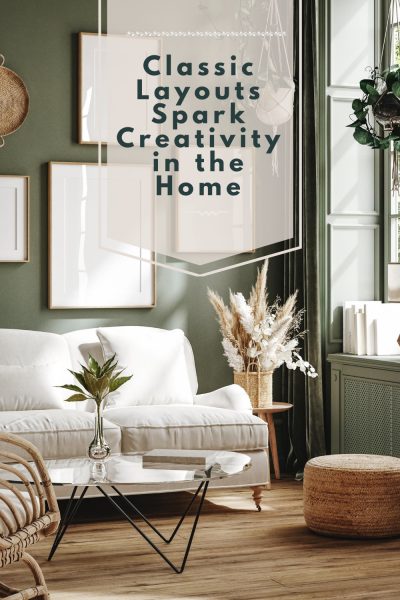
In fact, their structure often sets the stage for boundless creativity, giving homeowners a reliable canvas on which to layer their personal style.
From parquet floors to symmetrical room arrangements, traditional designs continue to influence and inspire in fresh and surprising ways.
The Charm of Structure
Classic layouts typically prioritise balance, proportion and symmetry. This kind of structure can actually free up creative thought rather than limit it.
When your base is solid and thoughtfully planned, you’re more confident to take risks with bold colour palettes, unique textures or statement furniture.
For example, a symmetrical living room layout with two sofas facing each other and a centred coffee table creates a natural conversation zone. This layout can then be enhanced with eclectic art, layered rugs or vintage lighting.
Rather than seeing classic layouts as rigid or outdated, consider them as a dependable framework. Much like a sonnet in poetry, structure doesn’t hinder creativity; it invites it.
Patterns with Purpose
One of the most exciting aspects of classic design is its use of geometric patterns. Herringbone, chevron and basketweave layouts have stood the test of time due to their visual appeal and practicality.
These patterns add instant character to a space, often without needing extra decoration. For example, herringbone paving is both functional and visually dynamic, ideal for pathways, patios or even indoor flooring.
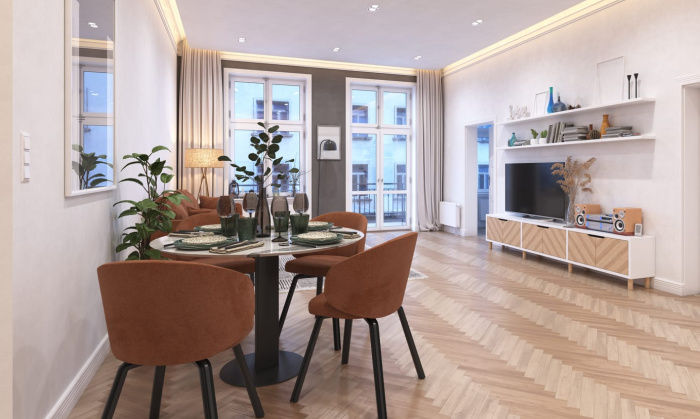
The repetitive, interlocking pattern naturally draws the eye, creating movement and energy within a space.

Because these patterns are so versatile, they can be styled to suit anything from a minimalist Scandi aesthetic to a rich, maximalist look. Simply adjust your colour schemes, materials and surrounding décor to fit your vision.
Let History Be Your Muse
Looking to the past is one of the most effective ways to fuel contemporary creativity. Georgian and Victorian homes often featured detailed cornices, ceiling roses and skirting boards. Rather than removing these period features, many modern homeowners are now embracing them, pairing antique architectural details with contemporary furnishings to create a layered, curated feel.
Even smaller homes or new builds can adopt classic influences through layout choices. Think of a galley kitchen inspired by old English cottages or a traditional hallway arrangement that centres a staircase and showcases artwork. These heritage-inspired choices add depth and personality, helping a modern home tell a richer story.
Mixing the Old with the New
A classic layout doesn’t mean every element must be traditional. In fact, juxtaposing old and new can result in a striking and highly personalised space. A contemporary sofa looks even more sculptural against the backdrop of classic wall panelling. A bold, modern chandelier feels more dramatic when hung in a room with heritage detailing. The balance of these elements is what sparks creativity, when each part of the room has its own voice yet contributes to a harmonious whole.
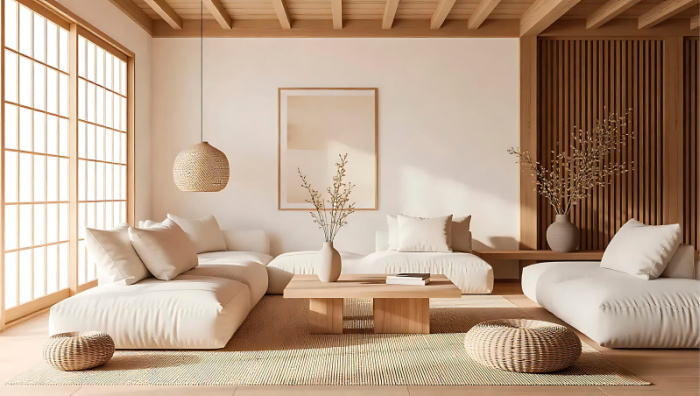
Try integrating natural materials, such as stone, timber and ceramic, with clean-lined modern pieces. These contrasts not only enhance visual interest but also highlight the craftsmanship and quality inherent in both styles.
The Enduring Power of Simplicity
Ultimately, classic layouts endure because they make sense. They’re functional, aesthetically pleasing and adaptable. When you begin with a strong foundational layout, you create a space that works effortlessly, and from there, the options to personalise and experiment become endless.
Rather than constantly chasing what’s new, revisiting traditional design ideas can open up new creative pathways. Whether you’re refreshing a single room or designing an entire home, classic layouts provide the perfect launchpad for imagination, expression and lasting beauty.
More Posts You May Like:


