Manga is more than just stylised comic art. It’s a creative outlet that encourages expression, builds confidence, and opens the door to seeing the world a little differently. And these days, it’s definitely not confined to the margins of a notebook during class.

This post may contain affiliate links through which I may receive a small commission.
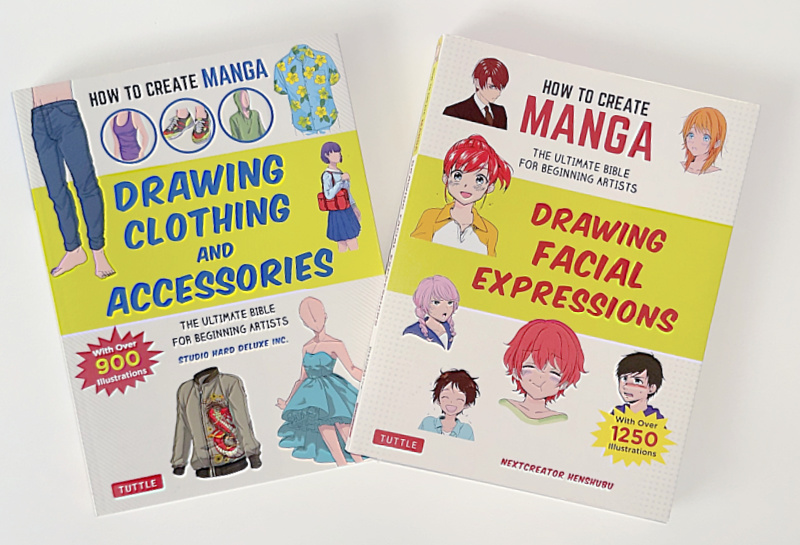
Thank you, Tuttle Publications, for sending us a copy of How to Create Mange: Drawing Facial Expressions and How to Create Manga: Drawing Clothing and Accessories to try out and review.
Manga has grown steadily in popularity outside of Japan over the past 25 years, and it’s now more mainstream than ever. With travel, the internet, and social media opening up access to global cultures, artistic styles have blended and evolved in ways we didn’t see before. We even have a manga-style recipe book in our home, which still makes me smile.
Back in grade 12, I remember sitting beside a classmate, Dwayne, in English. When he got bored, he’d sketch gothic-style comic characters across the edges of his notebook. It wasn’t my personal style, but I loved watching the drawings come to life, and they certainly kept me entertained. Years later, he turned that skill into a career. It’s a good reminder that those “little doodles” can lead somewhere meaningful.
These days, instead of random sketching, why not actually learn the techniques behind it?
That’s exactly what we’ve been doing with two books from Tuttle Publishing:
- How to Create Manga: Drawing Facial Expressions
- How to Create Manga: Drawing Clothing and Accessories
I don’t often combine reviews, but these two really do belong together.
How to Create Manga: Drawing Facial Expressions
This book focuses on one of the most important parts of any character: emotion.
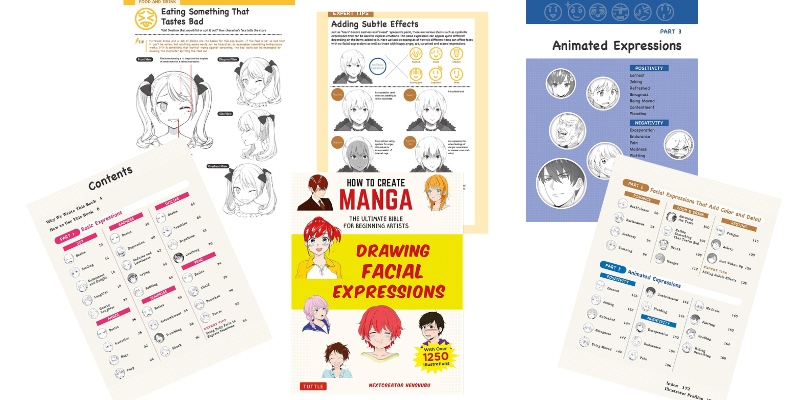
It breaks expressions down step by step, from simple happy and sad faces to more subtle or complex emotions. What I appreciated most was how clearly it shows that even a tiny shift in the eyes or eyebrows can completely change how a character feels.

My daughter and her cousin had great fun flipping through the pages and trying out different expressions,, with some being more successful than others, but all of them entertaining! There were definitely a few laughs along the way.
From my perspective, it helped me look more closely at faces in general. Even though I don’t usually draw manga-style, understanding how emotion shows up in small details has been surprisingly useful.
How to Create Manga: Drawing Clothing and Accessories
This book builds beautifully on the first.
Once you’ve got a face full of personality, you need something to match, and that’s where clothing and accessories come in. This guide shows how fabric moves, where folds naturally fall, and how outfits can reflect a character’s identity.
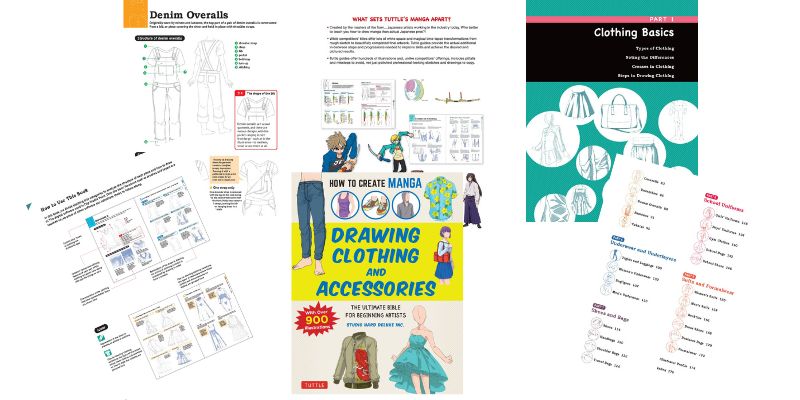
It goes beyond just copying outfits. It helps you understand:
- how clothing sits on the body
- how movement affects fabric
- how small details (like accessories) tell a story
My daughter especially enjoyed this one, creating her own characters with different outfits and styles. It felt like the moment where drawings started to become people.
Why These Two Books Work So Well Together
On their own, each book is useful. Together, they create something more complete.
- Facial expressions bring emotion
- Clothing and accessories bring personality and context
When you combine the two, you’re no longer just drawing, you’re creating characters.
We found ourselves naturally moving between the books, sketching a face and then thinking, “What would this person wear?” It turns the process into something more creative and story-driven.
Why Manga Drawing Is So Beneficial
Manga might look simple at first glance, but there’s a lot going on beneath the surface.
- Encourages emotional expression through art
- Builds observation skills, especially with faces and movement
- Develops patience and focus (some of those skirt folds take time!)
- Boosts creativity and personal style
- Creates connection, we genuinely enjoyed drawing together
- Introduces cultural awareness in an accessible way
- Offers a screen-free activity that teens actually enjoy
Even a short time spent with these books changes how you notice things such as expressions, posture, and even how clothing sits. That awareness carries over into other types of art too.
These Books are Great for:
- Teens and tweens who love anime or manga and want to start drawing
- Beginners who want clear, step-by-step guidance
- Parents or caregivers looking for a shared creative activity
- Art students experimenting with style and character design
- Traditional artists wanting to see things from a different perspective
- Anyone curious about moving from watching manga to creating it
Ways to Use These Manga Drawing Books
- Sketch facial expressions as warm-up exercises
- Create your own characters and stories
- Practise drawing clothing and fabric movement
- Start a manga-themed sketchbook
- Use as part of a homeschool art study
- Spend time drawing together as a family
- Explore costume or cosplay ideas
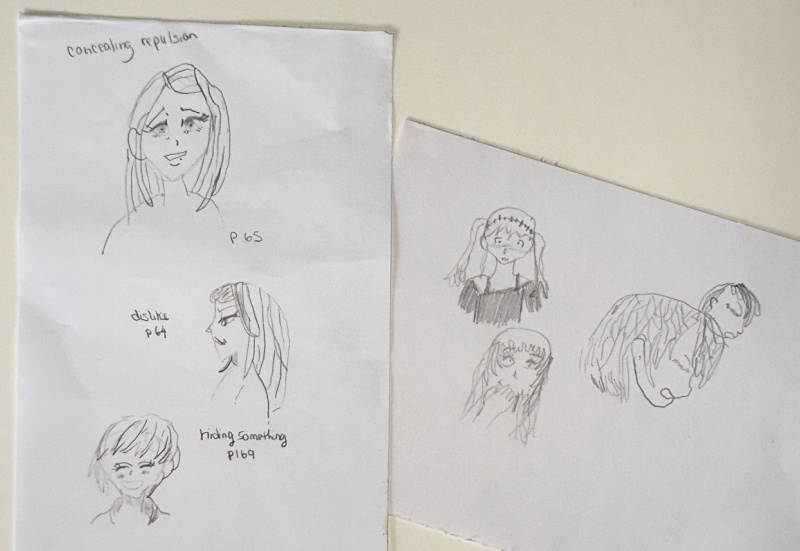
Our Sketches
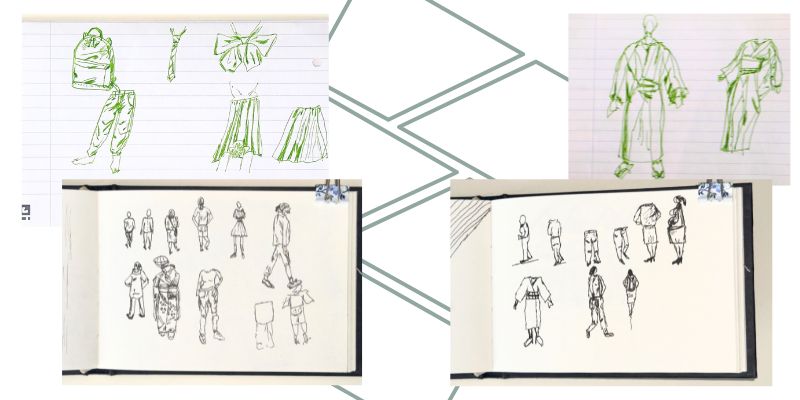
I’ll include a few photos here of sketches we created by following the steps in the books. It was really interesting to see how different each of ours turned out, even when starting from the same example.
Final Thoughts
These two books from Tuttle Publishing are a great pairing, especially for teens and adults who are already interested in manga and want to take that next step into creating.
For us, it wasn’t just about learning how to draw, it was about spending time together, trying something new, and seeing things a little differently.
I’ll admit, I’ll probably still lean towards landscapes at Art Club… but I’m glad I gave this a go. There’s something refreshing about stepping outside your usual style, and you never know where it might lead.
If you’re interested in purchasing these books, they’re available through:
- Tuttle Publishing
- Amazon:
- Great bookstores near you
Connect with Tuttle Publishing:
Website | Facebook | Twitter | Instagram | Pinterest | YouTube
More Manga:


