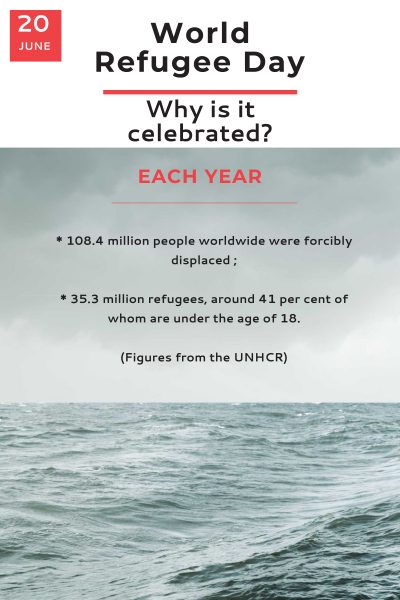
World Refugee Day serves as a meaningful observance that brings attention to the challenges and resilience demonstrated by refugees worldwide. From worldwide campaigns to community-based initiatives, it is important for people to understand what asylum-seekers and refugees go through and help them achieve a successful integration into their new culture and society.
Having lived in three continents, immigrants and emmigrants have almost always been a part of my life in one way or another. From classmates and friends, to teaching English to asylum seekers, and of course, living in countries where I don’t understand the local language and/or customs, I have great empathy for those who leave their homelands, either by choice, or in order to protect themselves and their families. It is neither an easy decision nor undertaking.
History of World Refugee Day
World Refugee Day, as designated by the United Nations, is a global commemoration held annually on 20th June. Its purpose is to recognize and pay tribute to the fortitude and perseverance of refugees who have been compelled to leave their nation of origin because of conflict, persecution, or war.
Origins and Evolution of the Day
The establishment of World Refugee Day dates back to 2000, when the United Nations General Assembly designated 20th June as a global observance aimed at increasing awareness about the refugee crisis.
This decision was made amidst a critical period when the world was observing a notable surge in the number of displaced individuals seeking asylum across borders due to conflicts, persecution, and violations of human rights. The development of World Refugee Day serves as a collective endeavour to illuminate the difficulties encountered by refugees worldwide and to advocate for their safeguarding and welfare.
Purpose and Importance of Celebrating
The significance of observing World Refugee Day is rooted in increasing awareness about the obstacles encountered by refugees and displaced individuals, fostering unity, and advocating for their human rights and protection.
Highlighting the Plight of Refugees
Drawing attention to the plight of refugees involves shining a light on the challenges faced by millions of displaced individuals and asylum seekers who have been compelled to flee their residences due to conflict, persecution, and violence. The obstacles encountered by refugees extend beyond the physical act of abandoning their homes. They also struggle with the emotional toll of uprooting their lives, uncertainties regarding their future, and the psychological trauma resulting from the events that led to their forced displacement.
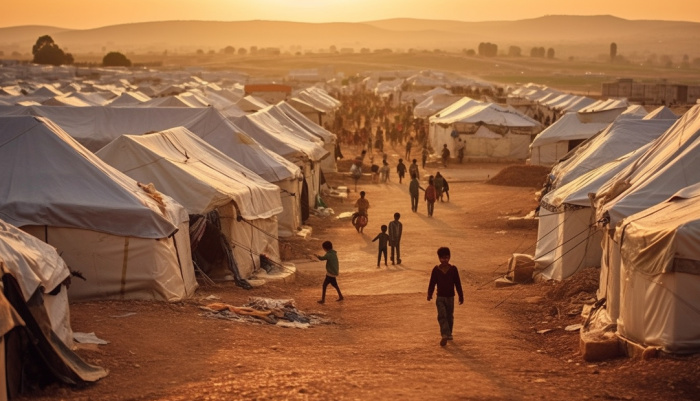
Frequently, refugees must navigate unfamiliar systems in host nations, where they may lack fluency in the local language, familiarity with customs, or access to essential support systems. The absence of fundamental necessities like food, shelter, and healthcare further compounds their struggles, emphasising the significance of providing adequate support and compassion to those in need.
For 25 years I’ve been saying that everyone should be dropped into a country where they do not speak the language, and cannot even read the label on a tin of tomatoes (not all packaging includes pictures). Live where you are a visual minority.
Imagine moving with only the clothes on your back and having to set up a new life in a foreign country. It isn’t easy. I’ve done it twice, and Northern Ireland was more difficult than moving to Japan, due to my circumstances.

I often find I feel I am drawn to asylum seekers and refugees and feel I have more in common with them than I do with many local citizens. Our roads to this country were very different, but we have all left behind our family and friends to begin a new life.
Global Initiatives and Local Efforts
Global and local efforts on World Refugee Day involve a variety of awareness events, community support programmes, and advocacy campaigns with the aim of enhancing the lives of refugees and displaced populations. These initiatives bring together organisations like UNHCR, Red Cross, and Amnesty International, along with local community groups and volunteers, to deliver essential services to refugees.
Success Stories and Ongoing Challenges
Many refugees have displayed extraordinary resolve and bravery as they navigate the complexities of establishing new lives in unfamiliar environments.
Since last fall I’ve been a volunteer English teacher working mainly with asylum seekers and refugees new to our area. I’ve seen the ways in which some local people have discriminated against them and made their transition unbearable. The reasons people leave their homelands are many, and in the case of asylum seekers, it is not a case of being an ‘economic migrant,’ but a case of survival. (As and aside, the government has made being an economic migrant much, much more expensive and difficult to acheive over the past decade, and more-so since Brexit.)

The wonderful people I have met over the past 9 months have fled from Eritrea, Ethiopia, Nigeria, Iran, Syria, Sudan, the Ukraine, China, South America, and other locations. I have seen them work extrodinarily hard to learn English, make friends, work within the parametres to gain housing and once their refugee status has been approved, they immediately move into employment, often first working at minimum wage, while also working towards establishing themselves in their previous professional careers. Yes, most refugees have left an established profession and gone to a country where their credentials may not be recognised.
These accounts serve as a testament to the fortitude and resilience that refugees possess. Despite their accomplishments, refugees still face enduring challenges such as discrimination, limited access to resources, and trauma-related issues that continue to impact their journey toward complete integration and stability.
I urge you to do what you can, however big or small, to make your community welcoming. Speak with newcomers (without being nosy and asking questions that may trigger them – they’ll let you know if they want to talk about their past – I’m sure there’s plenty about your own past you’d rather not speak about to a stranger). You’ll find they are warm, positive, and ambitious.
Think about your own past and those who have helped you along the way. Maybe you were new to the company and someone showed you around. Maybe a neighbour mowed your lawn when you weren’t well. Has someone ever held a door open for you? Pay it forward and help open doors, one at a time, for a more peaceful world.
