Did you know that children in well-organised, aesthetically pleasing learning environments tend to stay more focused and engaged? A thoughtfully designed learning space at home can have a huge impact on a child’s ability to concentrate, stay motivated, and enjoy the learning process, especially for homeschooling families who spend significant time in these areas.
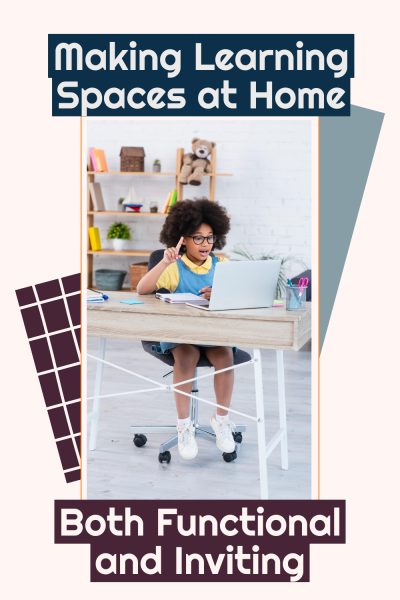
Here’s how to design a learning area that’s not only practical but also warm, welcoming, and inspiring.
1. Designate a Clear Space for Learning
Whether it’s a corner of the living room, a converted spare room, or a nook in the kitchen, having a clearly defined space for learning sets the tone for structure and focus. This doesn’t mean it needs to be large – just intentional.
Consider what each child needs: a surface for writing, a place to store materials, and good lighting. Keep distractions to a minimum, but make it feel like a distinct, special place for discovery and growth.
2. Keep Organisation Simple but Effective
A clutter-free environment helps reduce stress and encourages better concentration. Use labelled bins, colour-coded folders, or rolling carts to keep supplies tidy and accessible. Wall-mounted pegboards or magnetic boards are great for hanging timetables, completed work, or inspirational quotes.
Involving your child in the organisation process also helps them take ownership of their learning environment and fosters responsibility.
3. Add Texture and Warmth for Comfort
Learning at home offers flexibility, but that doesn’t mean the space should feel sterile or overly formal. Incorporate soft furnishings like cushions, throws, and area rugs to add warmth and make the space feel cosy.
For a touch of timeless charm and comfort, consider placing one of these high-quality antique rugs under your learning area. Rugs help define space, provide a soft surface for floor activities, and absorb sound – especially helpful in busy family homes. Plus, they bring beauty and character to the room, helping the space feel more inviting and less institutional.
4. Use Colour and Decor Thoughtfully
Colour has a powerful influence on mood and focus. Cool tones like blues and greens can promote calmness and concentration, while pops of yellow or orange can add energy and creativity. Let your child help choose artwork, maps, or motivational posters that reflect their interests. This adds a sense of ownership and makes the space uniquely theirs.

Plants, natural light, and even fairy lights or a small salt lamp can contribute to a calm, balanced atmosphere where learning feels joyful rather than forced.

5. Create Zones for Different Activities
If space allows, divide the area into mini zones: one for writing, one for reading, and perhaps one for hands-on activities or experiments. Even a beanbag in the corner can become a beloved reading zone. Changing physical location within the same space can help reset focus and make long study sessions more manageable.
Supporting Learning Through Space
Designing a functional and inviting learning space at home doesn’t have to be costly or complicated. It’s about creating an environment where your child feels comfortable, inspired, and ready to learn. By focusing on both form and function – organisation, comfort, and a dash of personal style – you’re helping lay the foundation for meaningful and effective learning.
Because when children love the space they learn in, they’re more likely to love the learning itself.
More Posts For You: