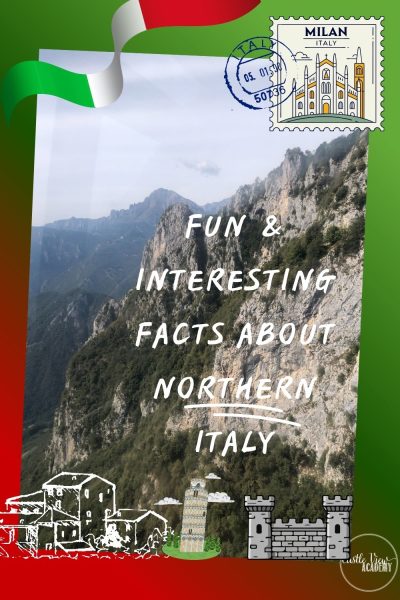
Two years ago I spent a couple of weeks in Northern Italy making friends and doing a little travelling while staying with a host family and teaching an ESL class at a summer camp. While there I learned a lot of interesting facts about Northern Italy. My new friends were very informative and were keen to share their interest in local history and culture with me, and in turn, I’d like to share some of it with you.
This post may contain affiliate links through which I may receive a small commission.
1. Lake Lecco
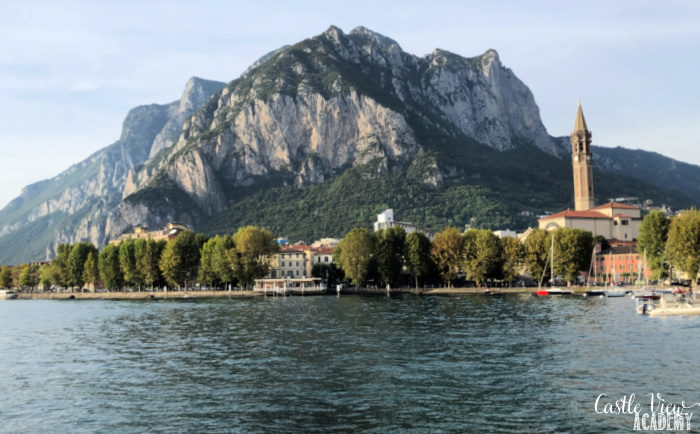
Lake Lecco is a beautiful spot at the southeastern branch of Lake Como, just as beautiful but not as busy. There are trails, a walk around part of the lake, a playground, memorials, amazing views of the sunset, and a short stroll away are loads of restaurants waiting to serve you with outdoor seating surrounded by beautiful architecture.
2. Milan’s Duomo Cathedral
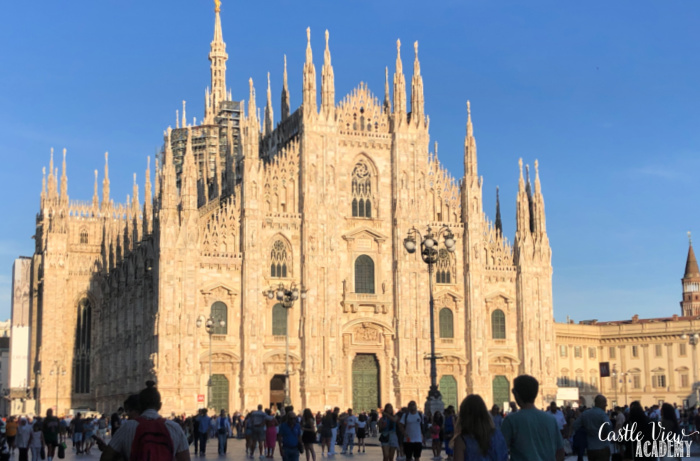
Milan’s Duomo Cathedral is immense and took nearly 600 years to build. It’s one of the largest cathedrals in Europe and has loads of statues and spires all the way around. You can wander around the outside or pay for a ticket to enter the building, but be prepared as the line can be very long.
3. Lake Garda
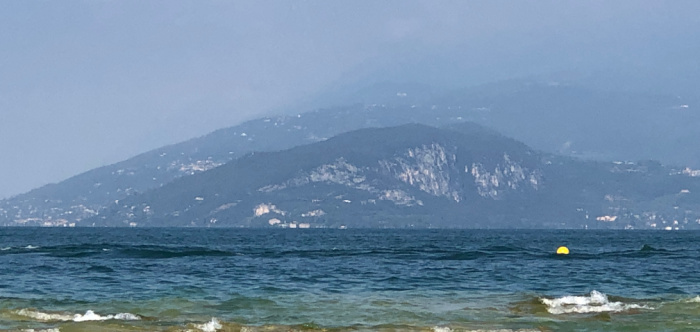
Lake Garda is Italy’s largest lake, and it’s surrounded by dramatic mountains. The lake is a popular vacation spot for families and offers various activities like boat rides, hiking, and swimming in its clear waters.
The medieval town of Sirmione is especially famous for its stunning views and ancient ruins, which I highly recommend, too! In fact, you can walk from Sirmione to the end of the peninsula to the Grottoes of Catullus to see the ruins amongst olive groves. It’s a lovely stroll, but even better if you have arch support insoles to keep your feet happy so you can really enjoy the day without pain. Plantar fasciitis is terrible when you just want to go everywhere and see everything.
4. Scaligero Castle
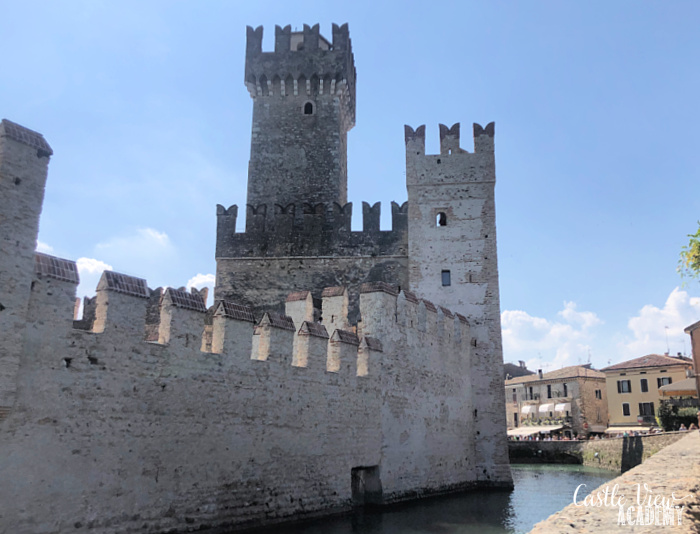
The lakes of Northern Italy aren’t just for swimming; they’re also home to stunning castles, such as Scaligero Castle at Sirmione. This style is different than the ones I’m used to seeing in Japan and Northern Ireland. If you can take a tour around the inside of a castle, you’ll learn about the local history, and kids can imagine knights and princesses as they explore these majestic structures.
4. Italian Alps
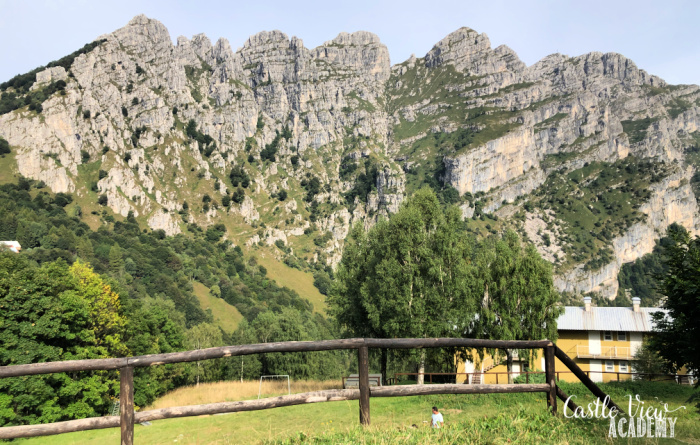
The Italian Alps are spectacularly beautiful. Skiing in the winter and hiking in the summer. The Alps stretch about 1,200 km through 8 countries. Here, we took a cable car up and enjoyed a dessert and traditional Italian drink (Bombardino) outside this establishment.
5. Italian Coffee Culture
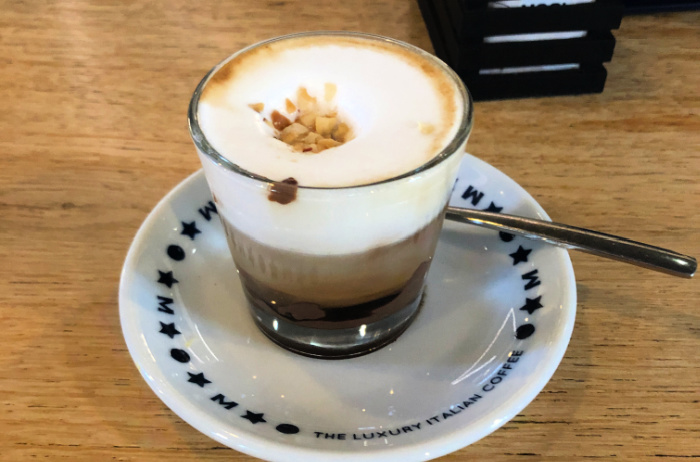
There are many rules around coffee in Italy, with cappucino not being consumed after 11am, for example. It’s often stronger than across the Atlantic, but served in small cups. You will go to a ‘bar’ and may have the choice to sit at a table or stand at the bar to enjoy your beverage. Espresso is very common, and only a euro or two. This drink was a Nuttella cappucino I tried at lunch. On another day I tried the macha flavour. In the summer you can also have a frozen and whipped coffee that’s akin to a milkshake in a shotglass. Delicious!
7. Dinosaurs!
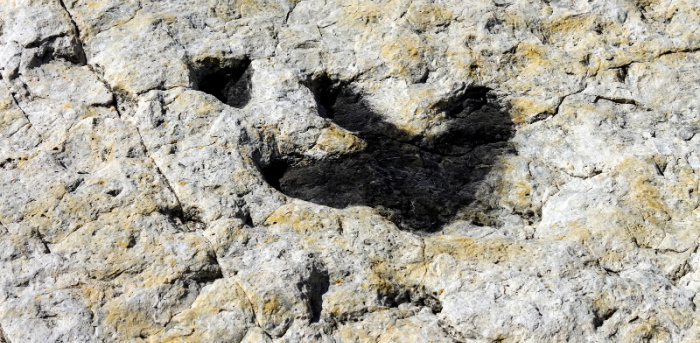
Did you know that Italy was the home of dinosaurs? Recently, scientists announced a huge discovery of dinosaur tracks high up in the Italian Alps in Lombardy, near the Swiss border.

These footprints are about 210 million years old, from the Triassic Period. They were made by giant plant‑eating dinosaurs with long necks and big feet (like early relatives of Brachiosaurus), and scientists can even see toe and claw impressions!
Right now the site is hard to reach by trails, so scientists are using drones to study them, but there are plans to make the area more accessible to visitors in the future.
8. The Leaning Tower of Pisa
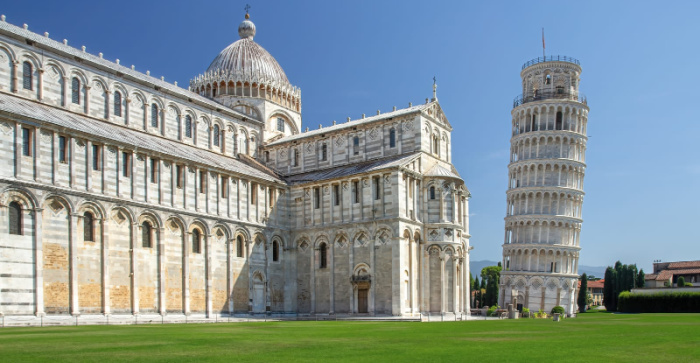
The Leaning Tower of Pisa is famous worldwide for its tilt! But did you know that it was not initially built to lean? It began tilting during construction due to soft ground on one side. Today, it’s one of the most photographed landmarks in the world. In 2000 when I was there work was being undertaken to help stabalise the lean and prevent it from toppling over.
9. Venetian Carnival
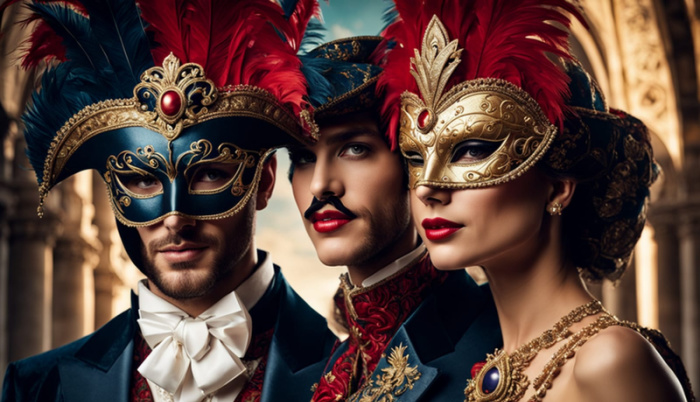
Venice’s Carnival is one of the oldest and most famous festivals in the world. Participants wear elaborate masks and costumes, and there are grand parades. The tradition dates back to the 12th century, and it’s an opportunity for people to celebrate before Lent begins. My host family made their own costumes and they were very fun!
10. The City of Verona
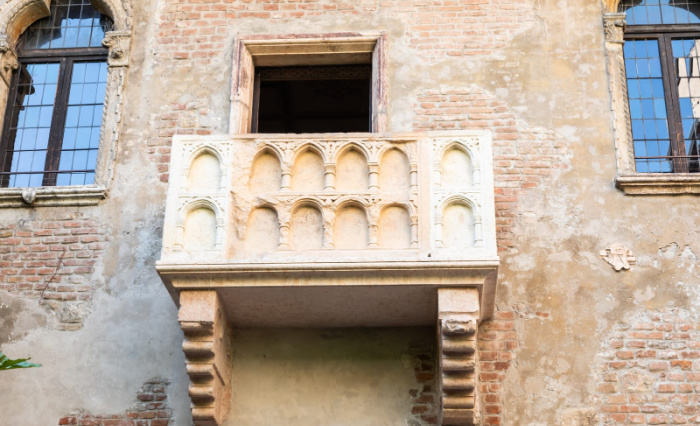
Verona is the setting for Shakespeare’s famous play, Romeo and Juliet. You can visit Juliet’s balcony in the city and even leave a letter to Juliet for good luck in love! The city also has beautiful Roman ruins and is a UNESCO World Heritage site.
11. Sforza Castle
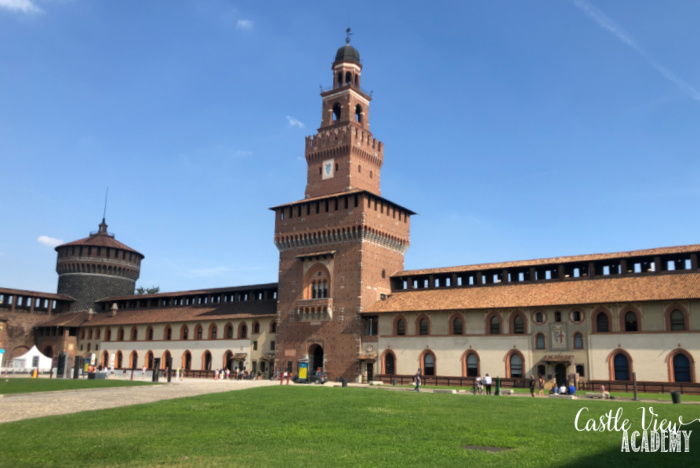
Sforza Castle in Milan is a massive fortress built in the 15th century by the powerful Sforza family. Today, it’s a fun place for families to explore, with museums, art collections, and wide open courtyards. Inside, you can see everything from ancient weapons to beautiful paintings and sculptures, including works by Michelangelo.
The castle is surrounded by Parco Sempione, a huge park perfect for picnics, playgrounds, and even a small lake, making it a full day of adventure for visitors of all ages.
12. The Mosaic Wonders of Ravenna
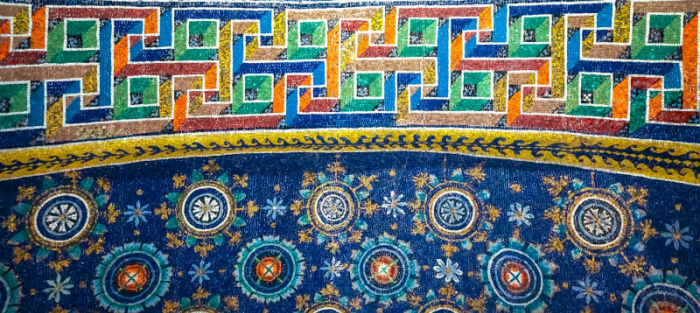
Ravenna is famous for its ancient mosaics, which are some of the most beautiful in the world. The city’s historic churches are adorned with stunning mosaics that date back to the 5th and 6th centuries. Kids can marvel at the detailed scenes and learn about how mosaics were created.
If you’d like to know even more interesting facts about Northern Italy, I have another post over on Multicultural Kid Blogs.
More About Italy: