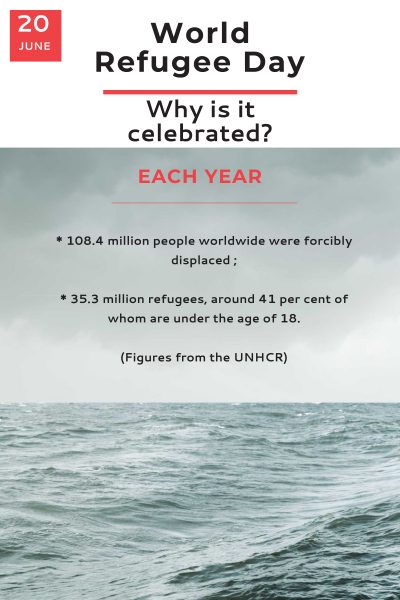
There are many different cultures around the world, and equipping children to understand and appreciate varied cultures is highly beneficial. Read on to learn more about why teaching children about cultures they are unfamiliar with is helpful.
Develops Open-mindedness
Exposing children to different cultures at a young age helps them develop open-mindedness and avoid forming prejudices. When kids learn about the food, music, clothing, traditions, values, and norms of other cultures, they realise that their own way of life is not the only way. This understanding nurtures open-mindedness, empathy, and respect for people from diverse backgrounds.
Children are inherently curious. If their curiosity leads them to ask questions about other cultures, parents and teachers should take time to address those questions honestly and accurately. Provide age-appropriate books, games, music, and movies to satisfy their interest. Arrange for them to meet peers from different cultures too. With exposure and education, children gain the awareness that all cultures have intrinsic value.
Teaches Respect for Diversity
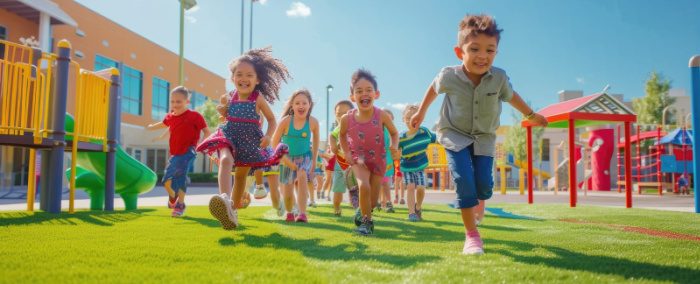
Understanding and appreciating diversity is an essential life skill. The world is a tapestry of different cultures, and children growing up today need to respect diversity both locally and globally. Learning about cultures different from their own teaches kids that diversity makes the world richer.
Start by discussing diversity in an age-appropriate way. Point out examples in books, media, or the community. Share food, music, and traditions from other cultures. Take them to cultural events and places of worship different from your own. Introduce language lessons. When children respect diversity rather than fear it, they grow into more compassionate adults.
Prepares for Global Citizenship
The world is more interconnected than ever before. The child born today could work overseas, collaborate with international colleagues, or have friends from every corner of the globe. Learning about other cultures equips them for the globalised world they will live in. It prepares them for global citizenship.
Discuss current events happening in other countries. Find pen pals or online keypals overseas. Encourage older children to join school clubs that promote cross-cultural understanding. When they understand the perspectives of those from other cultures, they become caring global citizens who appreciate that we have more similarities than differences.
Develops Deeper Cultural Identity
Paradoxically, learning about other cultures also helps strengthen kids’ sense of their own cultural identity. As they become aware of different cultural norms and values, it clarifies what norms and values are specific to their own culture versus universal across cultures.
Engage in cultural traditions and talk about why they are meaningful. Learn about family ancestry together. Read books featuring characters that come from the same heritage. Take part in festivals and events significant to your culture. When children have a solid sense of their own cultural identity, it becomes easier for them to understand and empathise with those from other cultures.
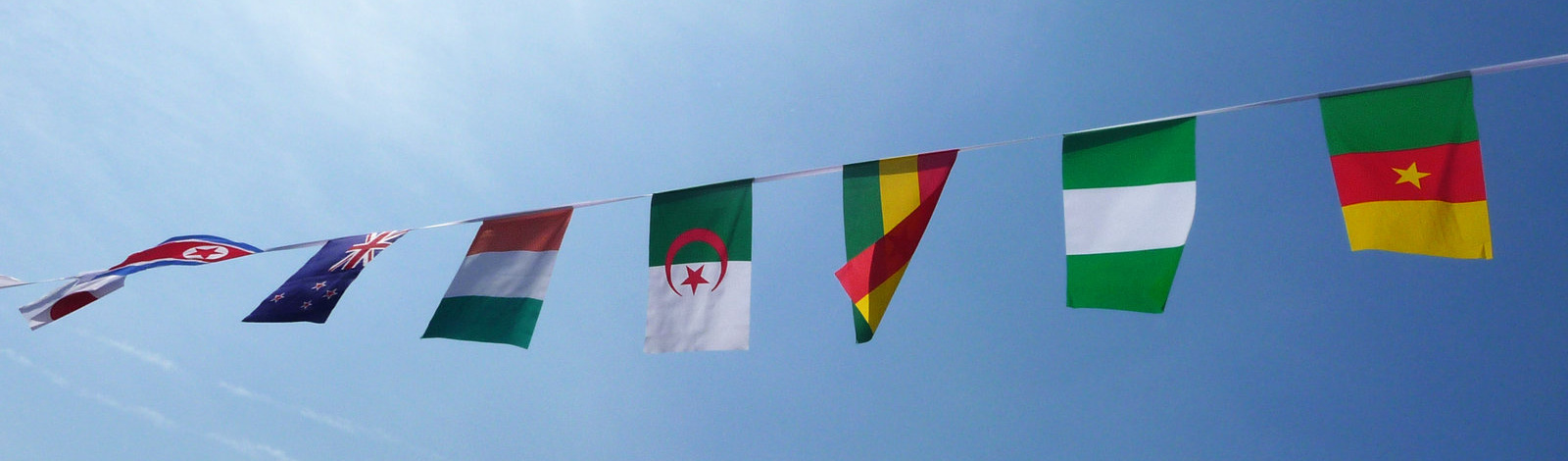
If you’re interested in fostering with orangegrovefostercare.co.uk, note that foster carers can welcome children from all different cultures, ethnicities, religions, and races, so it’s good to understand different backgrounds as well as the emotional needs of a child.

The world is a diverse place, which is why it is so important to teach children cultural awareness from a young age. Keep exposing them to different cultures, and they will surely grow into open-minded, respectful adults who cherish diversity.
More ways to introduce world cultures to children: