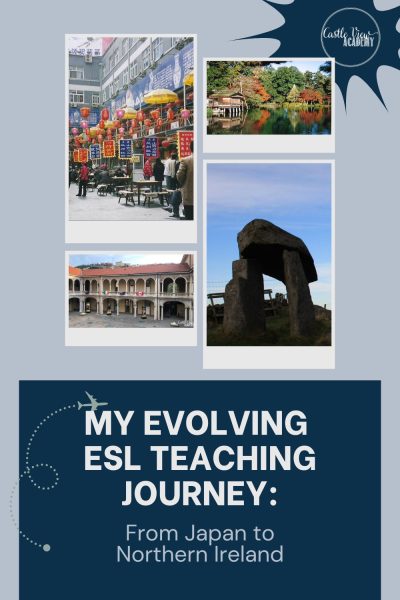
I didn’t set out to become an ESL teacher for life, but it’s funny how these things work out. My ESL teaching journey began in Japan, where I taught from 2001 to 2003, when I had the privilege of helping students, mainly children (but also parents) improve their English skills. I taught conversation classes, helped new teachers settle in, and even interviewed Japanese staff. It was a role that taught me flexibility, empathy, and how to explain “do” and “does” without blinking.
I kept my teaching skills sharp by using many of the techniques I developed in Japan with my own children during our home education journey. Between my psychology degree and teaching youngsters in a fun and interactive way, my children benefited every day from learning about the weather to cultural studies.
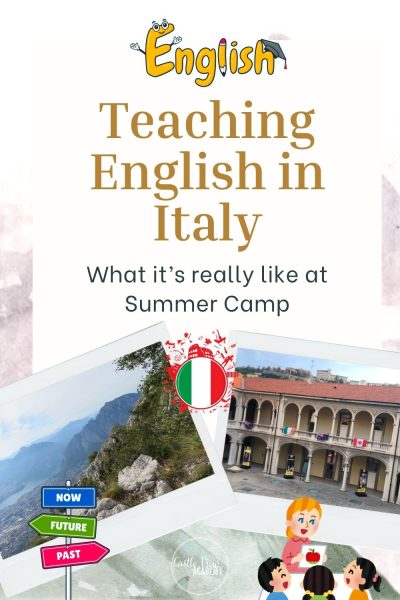
In 2023, I had the opportunity to teach at a summer camp in Northern Italy for two weeks. It was fast-paced, full of games, songs, and creative ways to get children learning and using English, all in the heat of the Italian summer! That experience rekindled my love for teaching ESL and reminded me how rewarding it can be to see students grow in confidence, even in a short amount of time. That summer camp experience reconnected me with my passion for language education and marked a new chapter in my ESL teaching journey.

Upon my return, my father-in-law hooked me up to a nearby group and I began volunteering as an ESL teacher here in Northern Ireland, working with asylum seekers, refugees, and newcomers who’ve made the move for all kinds of reasons: safety, family, work, or love. It’s been an incredibly fulfilling chapter, and one that led me to pursue a TEFL certification to deepen my understanding and strengthen my teaching practice.
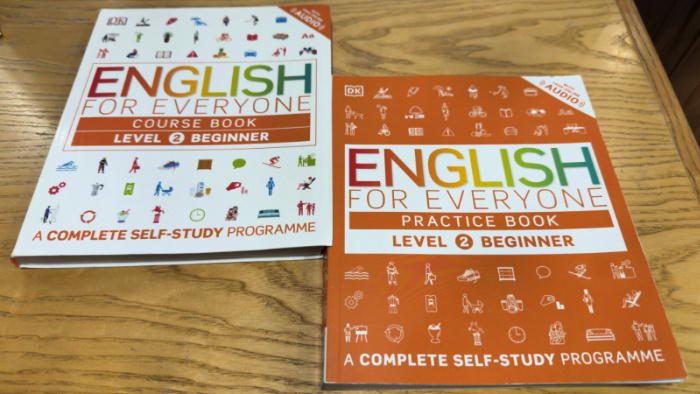
I’d spent years teaching children but teaching adults, although similar, is different. Using my initial background with children, I think everyone should have fun, and I still use gestures, impliment some interactive lessons, and even use stickers – no one is ever too old for stickers!
If you’re thinking about stepping into the world of ESL, here’s a look at what’s helped me, and might help you, too.
Do You Need a TEFL Certificate?
Not always. But getting my TEFL was definitely worthwhile.
While some ESL roles (especially paid ones abroad) require a TEFL or TESOL certification, others don’t, which is why I didn’t get certified until last year. That said, earning my TEFL gave me more confidence. It helped me understand how adults learn languages, how to adapt my lessons, and how to plan more effectively. If you’re serious about teaching, a TEFL cert can open up more opportunities and help you show up better for your students.
Skills and Experience That Shape an ESL Teaching Journey
Here’s what’s been essential in my experience:
- A strong grasp of English – grammar, vocabulary, pronunciation, and the quirks that come with them.
- Patience and adaptability – every student learns differently, and every class has its own rhythm.
- Cultural awareness – especially when working with people from varied backgrounds.
- Experience (paid or volunteer) – there’s no substitute for getting in the classroom and learning by doing.
You don’t need a degree in Education or TESOL to start (though it doesn’t hurt). Volunteering can be a fantastic entry point with low pressure, high reward, and rich in lessons you won’t find in a textbook.

How to Keep Growing on Your ESL Teaching Journey
Teaching methods evolve, just like language does. The French and Japanese I learned years ago has changed in everyday usage, and would date me as being ‘old’. Honestly, a lot of my growth has come from simply talking with other teachers, both those who have been teaching for decades, as well as those still in university who are enthusiastic about sharing their knowledge. Sharing stories, materials, and the occasional “What do I do when…?” moment has helped me stay grounded and inspired.
Why I Keep Teaching
It’s not just about grammar drills (older students who reach a certain stage ask a lot of grammar questions, which many of us native English speakers don’t think about, so they can be difficult to explain) or pronunciation practice. It’s about watching someone find their voice in a new language. It’s about the laughs, the lightbulb moments (I love when I can see these in the eyes of my students when a concept ‘clicks’), and the quiet confidence that builds over time.
For me, teaching ESL has never just been a job, it’s been a way to connect with people, support them on their journey, and keep growing myself.

I still keep in touch with a couple of my Japanese students, parents, and colleagues. It helps keep me connected to that period of time in my life – the best ever!
An important consideration for working with asylum seekers and refugees is that if you are an empath. When I go home, I have thoughts and emotions running through my head that eat me up and break me down. I feel so fulfilled by lending my skills, but this is one time compassion can hurt to the core. Of course, not everyone goes through this, and I wasn’t expecting it, but I thought I would share this experience.
Thinking of Teaching ESL?
If you’re curious about it, try volunteering first. It’s a great way to see if you enjoy it and to make a real difference while learning the ropes. And if it feels like the right path, consider a TEFL course that suits your style and schedule. Depending upon where you volunteer, they may have their own methods of teaching, or you may find that no one has any training and you can help bring something new to the team.
Wherever you are in your ESL teaching journey, starting with volunteering or earning your TEFL certificate can be a powerful step forward.
It might just open up more than a career path. It might open your heart.
Posts about ESL and Volunteering