I don’t often review books about religion or philosophy on Castle View Academy. However, I do believe older teens and adults benefit from learning about the world’s major belief systems and philosophies, not necessarily to adopt them, but to better understand the people, cultures, and history that have shaped our world.
This post may contain affiliate links through which I may receive a small commission.
Thanks go to Tuttle Publishing for sending me a copy of this book to read and review with my family in exchange for our honest opinions.
Having lived on three continents, spent time teaching in Japan, visited China, and studied psychology at university, I’ve come to appreciate that understanding different perspectives helps us become more thoughtful, respectful, and well-rounded people. Reading about another worldview doesn’t require agreeing with it; it simply allows us to understand why millions of people think the way they do.
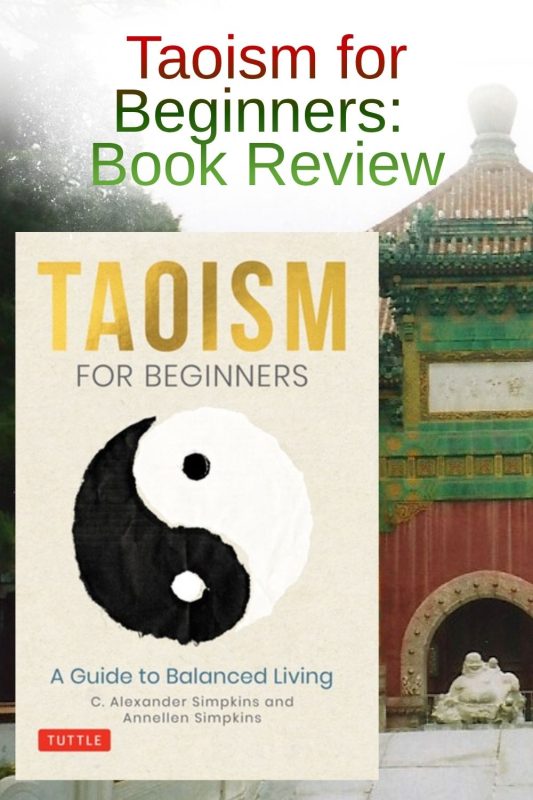
Taoism for Beginners from Tuttle Publishing is written for exactly that purpose.
What is Taoism for Beginners?
This introductory guide explores one of China’s oldest philosophical traditions in language that’s approachable for older teens and adults who may know little or nothing about Taoism.
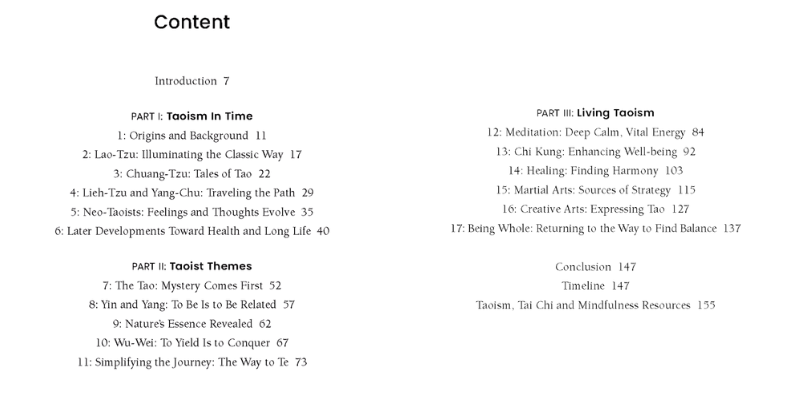
Rather than assuming prior knowledge, the authors begin with the historical development of Taoism and explain how it evolved alongside Chinese history. Admittedly, I found the opening chapters a little slow, but that’s often the nature of historical background. Once the book moves beyond the timeline and into Taoist ideas and their practical applications, it becomes much more engaging.
The book is divided into three sections:
- Taoism through history
- The key ideas and teachings of Taoism
- Living Taoism in everyday life
That final section was probably my favourite because it brings the earlier concepts together through everyday situations that readers can easily relate to.
Ideas We Found Interesting
Reading this aloud with my teenagers sparked several interesting discussions.

One of the central ideas repeated throughout the book is that the Tao makes philosophy possible; that there is an underlying natural order which people can learn to live in harmony with rather than constantly fighting against.
The well-known comparison of being like water particularly stood out. Water appears soft and yielding, yet over time it shapes mountains, carves valleys, and erodes solid rock. Rather than relying on force, Taoism often encourages flexibility, patience, and adapting to circumstances.
The book also compares differences that have traditionally been seen between Eastern and Western ways of thinking. While these are broad generalisations rather than rules, it was interesting to consider how Eastern cultures have often emphasised community and harmony within the group, whereas Western societies frequently place greater value on individual achievement and independence.
Because of my psychology background, I also enjoyed seeing familiar names appear throughout the book, including Carl Jung and Gestalt psychology, showing how Taoist concepts have influenced Western psychological thought.
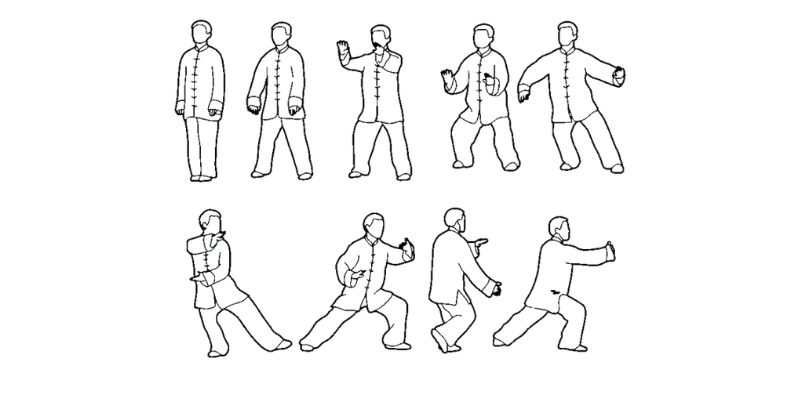
Readers are also introduced to practices commonly associated with Taoism, including Tai Chi, meditation, and Feng Shui, with explanations of how these developed from broader Taoist philosophy rather than simply being isolated practices.
A Personal Connection
This book resonated with me in ways that it probably didn’t with my teenagers.
Years ago I had the opportunity to visit the Beijing area, including Confucius’ burial site, and I still remember walking through parks where groups of thirty or more people gathered in the middle of the afternoon to practise Tai Chi together.
At the time I appreciated the experience, but reading Taoism for Beginners helped place many of those memories into a much broader historical and philosophical context. For my teens, it was an interesting introduction to another way of thinking.
For me, it also connected with places I’d visited and experiences I’d had while living in Asia.
Is It Suitable for Homeschoolers?
I think this book works best for high school students and adults.

It isn’t a devotional book or an attempt to persuade readers to adopt Taoist beliefs. Instead, it’s an educational overview that explains where Taoism came from, what its central ideas are, and how those ideas have influenced Chinese culture over thousands of years.
For homeschoolers studying world history, comparative religion, philosophy, sociology, psychology, or Asian cultures, it would make a useful supplementary resource.
Final Thoughts
Taoism for Beginners won’t turn readers into experts, nor is it intended to. Instead, it provides a clear, accessible introduction that encourages curiosity and understanding.
Although the historical opening may feel a little dry for some readers, the later chapters become much more engaging as the philosophy is connected to everyday life through relatable examples and practical applications.
In an increasingly interconnected world, learning about different cultures and philosophies helps us understand one another a little better. Whether readers ultimately agree with Taoist ideas or not, books like this encourage respectful discussion, critical thinking, and a broader appreciation of the many ways people have sought to understand the world around them.
If you’re interested in purchasing Japanese Grammar: Essential Sentence Patterns for Everyday Communication, it’s available through:
- Great bookstores near you
Connect with Tuttle Publishing:
Website | Facebook | Twitter | Instagram | Pinterest | YouTube
Keep Learning About Our World: